
The Premier League sponsorship market has been reset, and brands should be paying attention
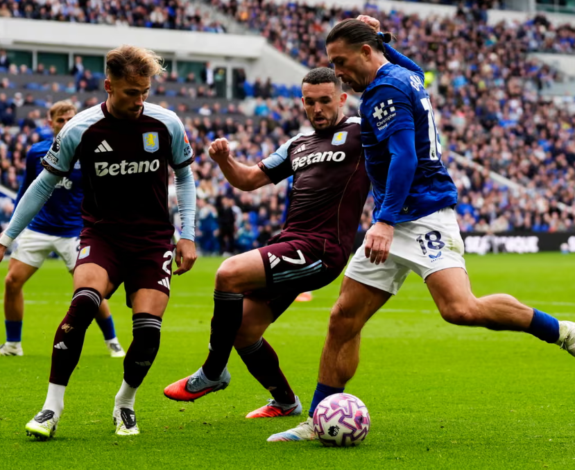
When the Premier League returns for the 2026/27 season this weekend, one of the biggest changes will not be on the pitch, but on the jerseys. For the first time, gambling companies will no longer be allowed on the front of matchday jerseys. Last season, 11 of the league’s 20 clubs had a betting brand in that position, meaning a significant amount of sponsorship investment is now looking for a new home.
From a sponsorship perspective, this feels less like money leaving the market and more like money moving within it. Sleeves, training wear, digital assets, content and wider partnership rights remain available, which is likely to put a lot more value on those positions.

The challenge that clubs now face is that betting companies have always been willing to pay a premium for their brand to be on the front of jerseys. ‘The Sponsor’ estimates they contributed around €105 million annually to Premier League clubs and, on average, paid 38% above market value for comparable inventory. Replacing that revenue may therefore not be as simple as finding another brand to take the same space.
That is already changing how clubs package their partnerships. Aston Villa has moved Betano from principal partner to sleeve partner, Everton has replaced Stake on the front of the shirt with CMC Markets while retaining Stake on the sleeve of their jersey, and Manchester United has placed Betway on its 2026/27 training kit, for a reported €23 million per year.
The important point is that these should not be viewed as secondary assets.
A sleeve lives in the action. It appears in goals, celebrations, close-up broadcast shots, photography and some of the most watched moments of any match. Training gear offers something different again: behind-the-scenes access. It can feature across training sessions, player interviews, travel content and club-produced social content throughout the season.
That changes the conversation around value. Increasingly, the question is not simply, ‘How visible is the logo?’ but ‘How much can we actually do with the partnership?’
A strong training-wear sponsorship could generate far more usable content across a season than a traditional static asset. A sleeve partner can connect itself directly to matchday emotion, be it winning or losing. Add player access, hospitality, digital rights and content production, and the idea becomes much broader than the piece of fabric carrying the logo.
There are useful lessons here from sports such as Formula 1 in recent years, where sponsorship ecosystems are built around clearly defined tiers and roles. The opportunity for Premier League clubs is similar: not to position sleeves or training wear as substitutes for front-of-shirt, but to give each of them a distinct purpose within the wider partnership.
But there is also another side to the market reset that needs to be considered. As betting companies move into sleeves and training kit sponsorships, demand and price for those assets could potentially increase. At the same time, without betting brands paying a premium for front-of-shirt, could this finally mean football’s most visible sponsorship asset become more accessible to non-gambling brands? For technology, financial, or travel brands, there may now be an opportunity to enter at a more realistic price and use the wider partnership rights around the shirt to build the real value.
There is a precedent closer to home too. The GAA has prohibited betting-company sponsorship of competitions, teams, playing gear and facilities since 2018, while alcohol sponsorship has also been restricted across areas of the GAA. The lesson is that when one category is removed, sponsorship value does not necessarily disappear. It can create space for different sectors to step in and force rights holders and brands to think differently about where that value comes from.
Ultimately, the betting ban does not make Premier League sponsorship less valuable. It makes defining that value more important.
For clubs in the top tier of English football, the opportunity is to move away from selling individual pieces of kit and towards building more complete partnership platforms. For brands, it means looking beyond the biggest logo and understanding both where the market may now offer value and what each asset can actually deliver.
The most valuable real estate in Premier League sponsorship has not disappeared. It has simply become more varied, and the clubs and brands that understand how to use it will be the ones that benefit most.
It will be very interesting to see what the lay of the land within sponsorship looks like over the coming season, both on and off the pitch!