
World Cup numbers are eye-watering in the land of the fee
‘As featured in the Sunday Independent’
Kevin Moore, Legacy Communications
The 2026 Fifa World Cup group games have come and gone, and the knockout stage is into the last-16 phase. The pre-tournament socio-political discourse gave way to matters on the pitch, and we have been treated to a great opening act.
We are now entering the real business end of this global sporting phenomenon.
While the Olympics may top the charts in terms of pure scale, the Fifa World Cup is unrivalled when it comes to a money-making machine.
With the mighty United States of America playing the lead host nation, it’s hard not to feel the commercial aspect of the event seeping through via every corner.
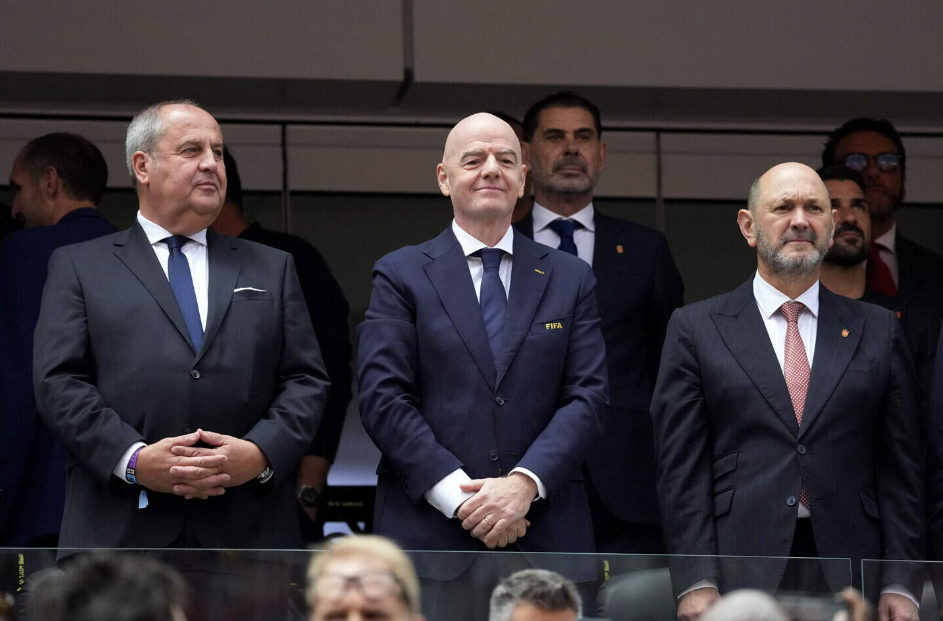
As an overall revenue spinner, the Fifa World Cup four-year cycle (2023-2026), is predicted to generate up to $13 billion in revenue, a reported 70 per cent increase over the previous World Cup in Qatar.
It is therefore no surprise that this year’s World Cup is on course to be Fifa’s most profitable ever. The increase in revenue can be largely attributed to two factors: the expanded format along with commercial opportunism.
The 2026 World Cup has expanded from 32 to 48 teams, and the impact has been clear from both a sporting and commercial perspective. The 16 additional countries have lifted the event to a whole new level of fandom, while the 40 additional matches have created far more ticket inventory, television content, and sponsorship opportunities than previous World Cups.
American business tycoon Warren Buffet once said: “The plan itself is opportunism. There is no plan before that.”
The combination of staging football’s showpiece event in the land of opportunity was always going to result in every commercial opportunity being leveraged. One of the primary examples of this opportunism has been the hydration break.
‘Traditionally a game of two halves, this has a feel much more akin to American sporting experience of four quarters’
The player welfare concern of staging the tournament mid-summer in Mexico, Canada and the US, where temperatures can soar, is valid. But with varying match times and many air-conditioned stadiums, the decision to introduce three-minute mandatory hydration breaks in every half of every game has all the hallmarks of commercial intent as much as player welfare.
It has created one of the most valuable extra advertising and sponsorship windows in sport, which has no doubt had a huge impact on the additional revenue for the tournament and host broadcasters.
In the US, Fox Sports have been cutting away to full-screen commercials, garnering large amounts of advertising revenue. Closer to home, ITV in the UK chose not to show commercials during the hydration break; however, this is mainly due to Ofcom regulations rather than football purism. Our own home broadcaster, RTÉ, landed somewhere in the middle, confirming they would carry adverts during some hydration breaks in the high-profile matches.
The consequence of the much talked about hydration breaks has impacted the on-pitch spectacle. Traditionally a game of two halves, this has a feel much more akin to American sporting experience of four quarters. Fans and pundits have been out in force commenting on how it has killed or shifted momentum in many games.
Ticket prices have been another huge talking point surrounding the tournament. Fears were that dynamic pricing and pure commercialism would completely price out fans and attendance would suffer or competing nations fans would be replaced by those from the host country.
Fifa president Gianni Infantino argued that price setting is linked to the host nation’s market and that too many low-priced tickets would mean a flood of black-market activity. Both arguments have some merit, but the estimated increase in 2026 average ticket price of over 100 per cent from Qatar is hard for many fans to stomach.
Some 130,000 of the 1.1 million stadium seats were available for as low as $60, but the range in ticket prices as the tournament progresses rises to spectacular heights. Knockout stage games will regularly cost $1,000 per ticket, while premium seats will sell for several thousand per match, with some tickets for the World Cup final likely to exceed €10,000.
The American premium sports-ticket market is simply like no other. The recent NBA Basketball finals between New York Knicks and the San Antonio Spurs saw upper seats sell for $5,000, while ring-side seats reached $75,000.
The numbers so far are clear, and fans have turned up in record numbers. Since the very first group game, stadiums have averaged 99.6 per cent capacity, with approximately 4.6 million spectators attending the group stage — setting a new World Cup record.
And from the outside looking in, it does seem like the stadiums are filled with a vast number of genuine fans, experiencing a once-in-a-lifetime event in the very best sporting venues on the planet.
Every aspect of the American stadiums seems bigger and better, with the Los Angeles SoFi Stadium home to the world’s largest sports screen, at 70,000 square feet. To put this in perspective, their Infinity Screen is larger than a standard Fifa football pitch.
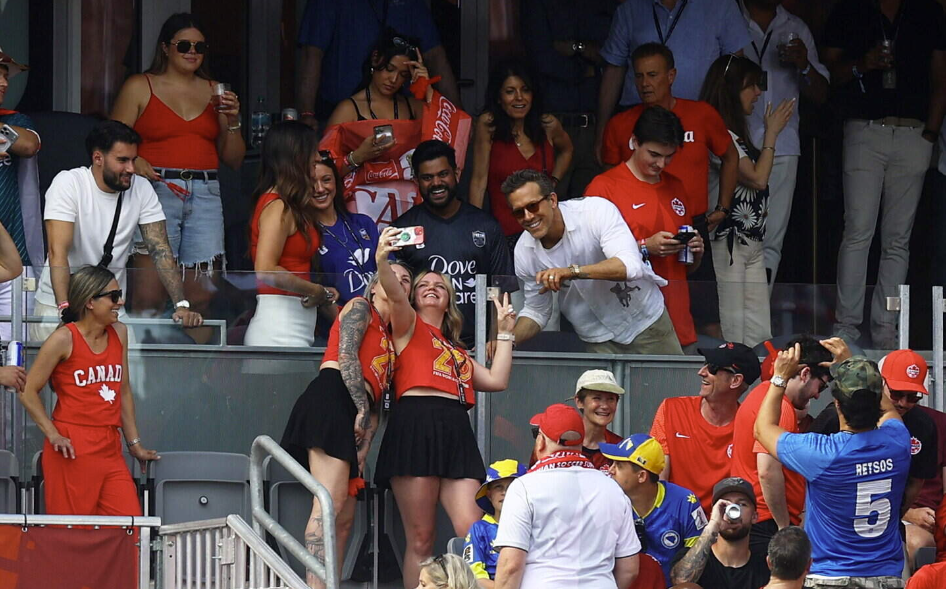
Camera operators have used the giant screens to showcase the many A-list celebrities supporting their teams. Salma Hayek, Brad Pitt and Ryan Reynolds among many others from the host nations of Mexico, US and Canada that have been spotlighted.
After bringing Lionel Messi to his American football club, Inter Miami, David Beckham’s stock seems to have risen to the very top echelon of celebrity status. He has featured in several high-profile campaigns surrounding the World Cup, reflecting his stature as one of football’s most marketable ambassadors. Adidas, Lenovo, Nespresso and Bank of America have all used Beckham to front campaigns.
It is not only past players who are cashing in. The World Cup provides the largest shop window in football for players to impress. A good run and some standout individual performances can drastically increase a player’s market value, particularly for emerging or young players.
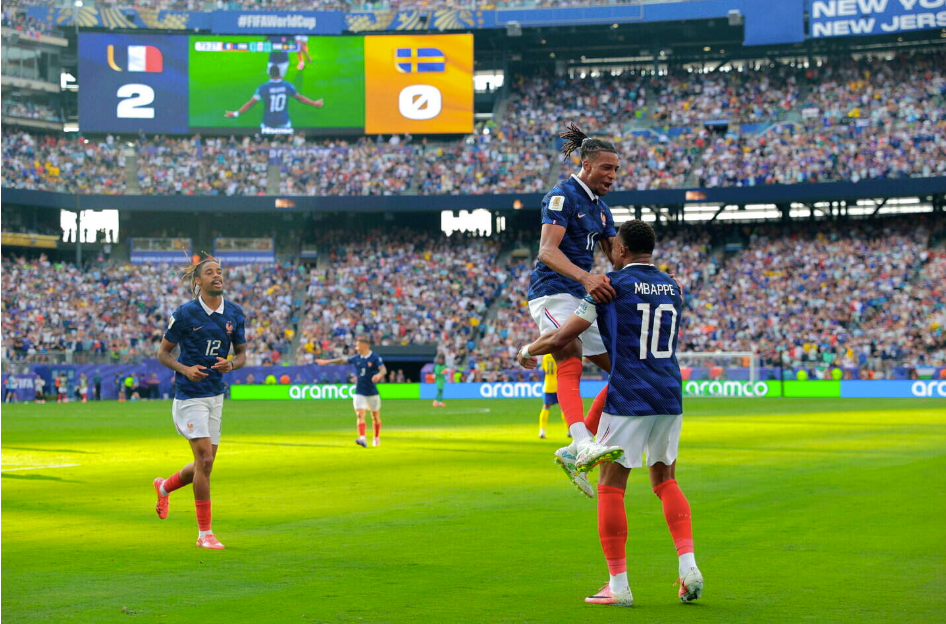
France’s Michael Olise’s stock continues to rise match after match, while Morocco’s 18-year-old midfielder, Ayyoub Bouaddi, who plays his club football for Lille in France, will now be on the radar of all the world’s top clubs.
Watch out for the recipient of the Young Player of the Tournament award this year. Shortly after winning the accolade at the 2022 Fifa World Cup, Enzo Fernandez benefited from a €120 million transfer to Chelsea.
The World Cup final will be played on 19 July in what is usually known as the MetLife Stadium in New Jersey in front of 82,500 fans and beamed to an estimated global audience of over 1.5 billion people.
The final act of the global sports phenomenon will include one final cultural and commercial addition to the biggest match in sport, a half-time show similar to the Super Bowl.
The pairing of the US market with the Fifa machine has created a commercial crescendo that may reach peak status. Although record television audiences are likely to increase the value of Fifa’s future broadcast rights, meaning the only way is up.
Fifa will rightly point to how their revenue is reinvested in football nations, both big and small, all over the world, but the extraordinary amount of revenue associated with the event showcases just how commercial it has become.